
Foundational Strategy for Interior Designers
Think of foundational strategy as a design brief for your interior design business.
A good brief is the blueprint for a successful project. It defines the objectives, the aesthetic and/or feel, the process and the timelines. It gets everyone on the same page to move forward with confidence. It’s the centerpiece of the design process.
A good foundational strategy does the same thing: it defines your business goals and the milestones along the way, clarifies the look and feel of your business and brand, and outlines the value you bring to your clients.
Your foundations are a collection of elements that become the central source of decision-making for everything your business does, from your marketing strategy to your team culture. Ultimately, your foundations will be unique to your company but in general they spell out the ‘why, how, and what’ of your design shop.
And while it shouldn’t be written in stone (things evolve), it does need to be written somewhere.

“Follow your independent thought processes, creativity, voice, vision—whatever the word you want to use. Right now, that’s actually the toughest thing to do because we’re bombarded. But being true to who you are without being too influenced by the noise is crucial to success. Also, being able to look back and think, Yeah, that was me. I did that, and that felt right and true, is so rewarding.”
—Faye Toogood, Architectural Digest
Foundations clarify focus.
As idea-people in a high-input world, it’s easy to get distracted. Should you hire another designer? Why does this unexpected opportunity feel ‘right’? Why this project over the one?
Foundations get specific about the future vision of your business so you can form confident decisions about how to spend your very precious time. For teams, it’s especially empowering have shared goals so you can work both independently and collaboratively toward them.
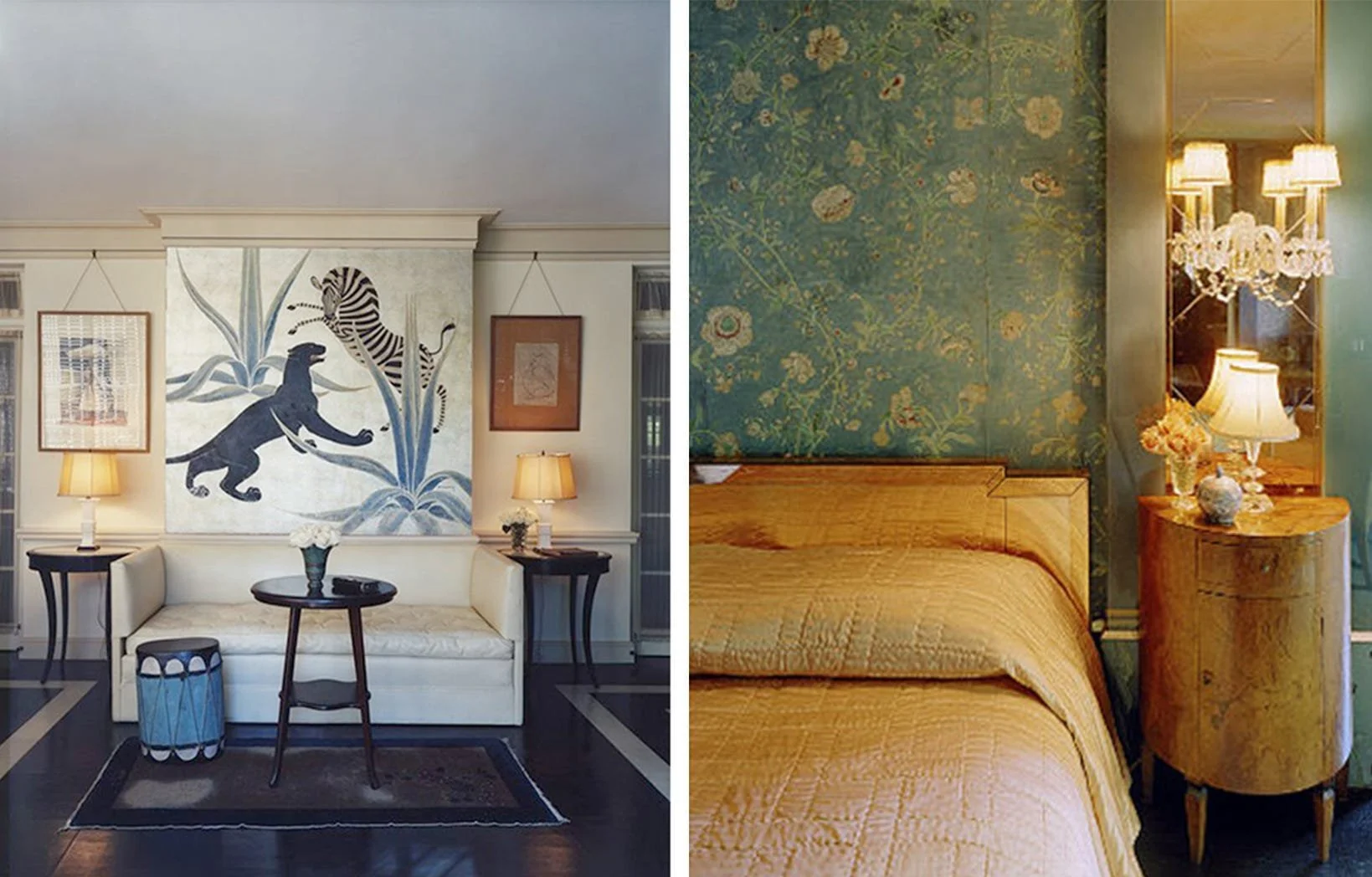
Left: The sunroom of the house of Countess Dorothy di Frasso, featuring artwork by Charles Baskerville commissioned by Elsie de Wolfe. Right: The Art Deco bedroom suite for Countess Dorothy di Frasso by Elsie de Wolfe.
Foundations center what you’re best at and allow you to evolve.
Your voice, philosophy, or approach: these outline the most intrinsic aspects of your practice to build on and deepen over time. Humans need words to discuss, sort out, get to the core of an idea, and create together: this becomes your vocabulary for growth.
Light, air and comfort—these three things I must always have in a room.
I believe in optimism & plenty of white paint.
The cardinal virtue of all beauty is restraint.
—Elsie de Wolfe
Make it a studio practice to discuss your foundational beliefs and design approach.
Take time to articulate ‘why’ you’ve made certain decisions. Put words around the deeper reasons as well as the aesthetics. The practice gives you and your team the conviction to make decisions independently and sell your work to clients.

“I have always had a passion for what some people consider clashing colours. I call them vibrating colours—for instance, vermilion, shocking pink, puce, salmon pink and blue pink. I like them with aubergine. All reds go together, and I include both pink and orange in the red family.”
—David Hicks
Foundations attract your best people.
Like attracts like. In politics and echo chambers this concept is dicey, but for finding aligned collaborators, it’s a mutual win. Whether they’re new employees, future partners, or your best clients, a solid strategic foundation clarifies who you are aligned with so you can attract people who will help you to grow, and vice versa.
Foundations create efficiency.
Establishing your foundational strategy is very much summed up in the 10/90 rule in smart goal-setting. It says that the first 10% of the time that you spend developing absolute clarity about what is to be done, you’ll save 90% of the time in execution. It can also save you 90% of the mistakes, the costs, and the time of other people involved.
If your design process isn’t defined, or if you haven’t checked in with it in a few years, it’s a good idea to put some attention there. You’ll thank yourself in the end.
Foundations inspire motivation.
Your foundations should speak in some way to the reason you started designing in the first place. If you ground your work in something personal, it will carry you through the challenge and hard times. What brings you joy? Are you fighting against an injustice? Do you believe in a better way to live in the world?
If you’re emotional, have emotion in your foundations. If you’re pragmatic, go with a mission statement. Find ways to embed genuine meaning in your work and watch where it takes you.
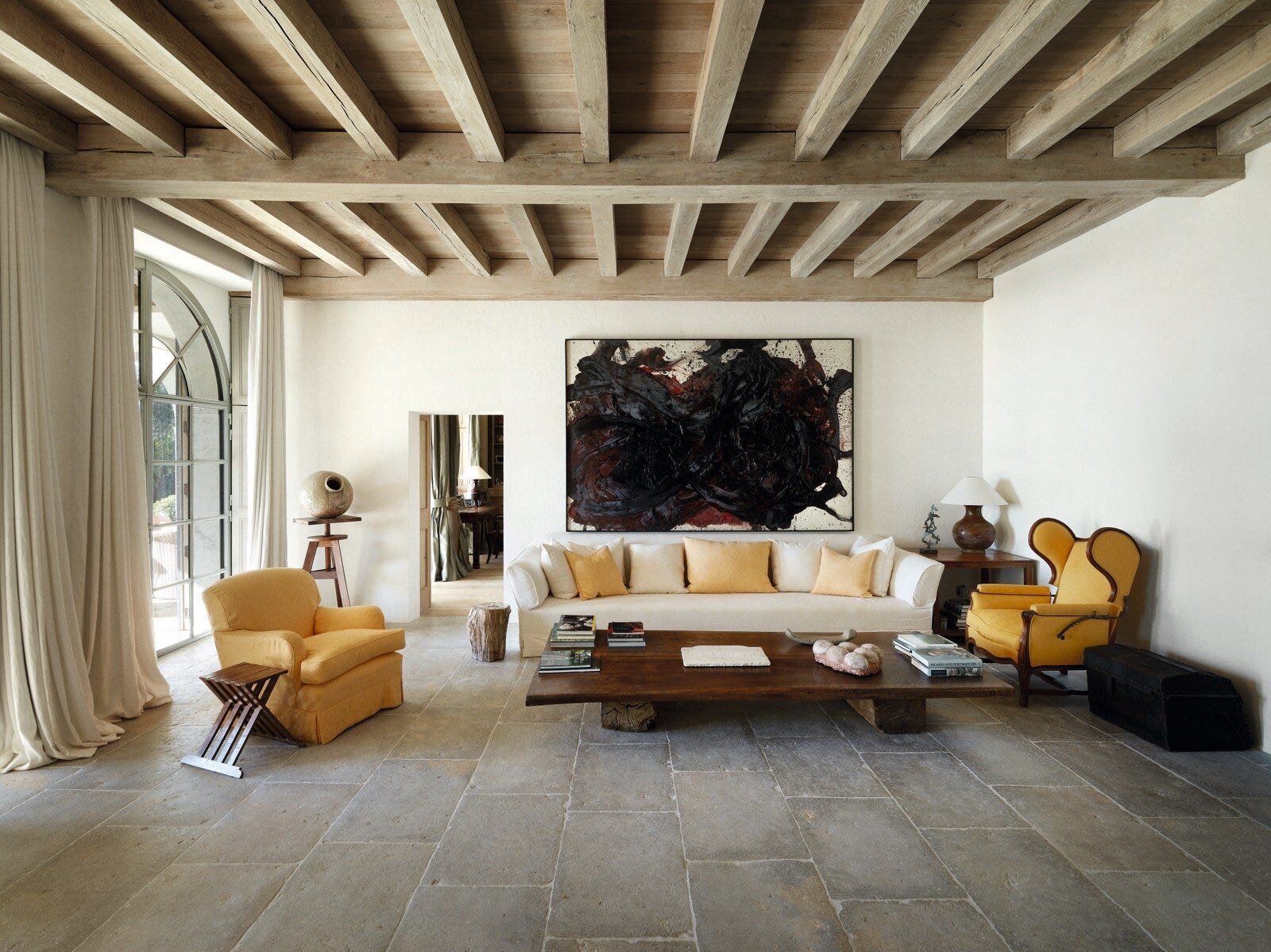
““Our philosophy is a belief that a home should be a personal expression of your soul. It should represent the way you want to live, the ideas that define your tastes, perspectives, and connections to the world.”
—Axel Vervoordt
What is important is the quality and impact of what you create. What’s important is your team’s shared love for design, and finding ways to grow and challenge each other in a meaningful way. What’s important is the authenticity of the relationships you build with your clients and partners. That is the actual heart of your business: your people and the culture you create within your four walls.
And with this important strategic foundation in place, your brand can become something truly special: a way to invite people in who will fall in love with everything you create as a team, supporting you as you evolve, even when you make mistakes and hard decisions along the way.